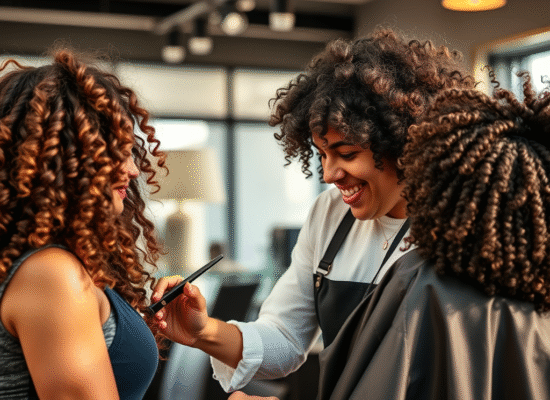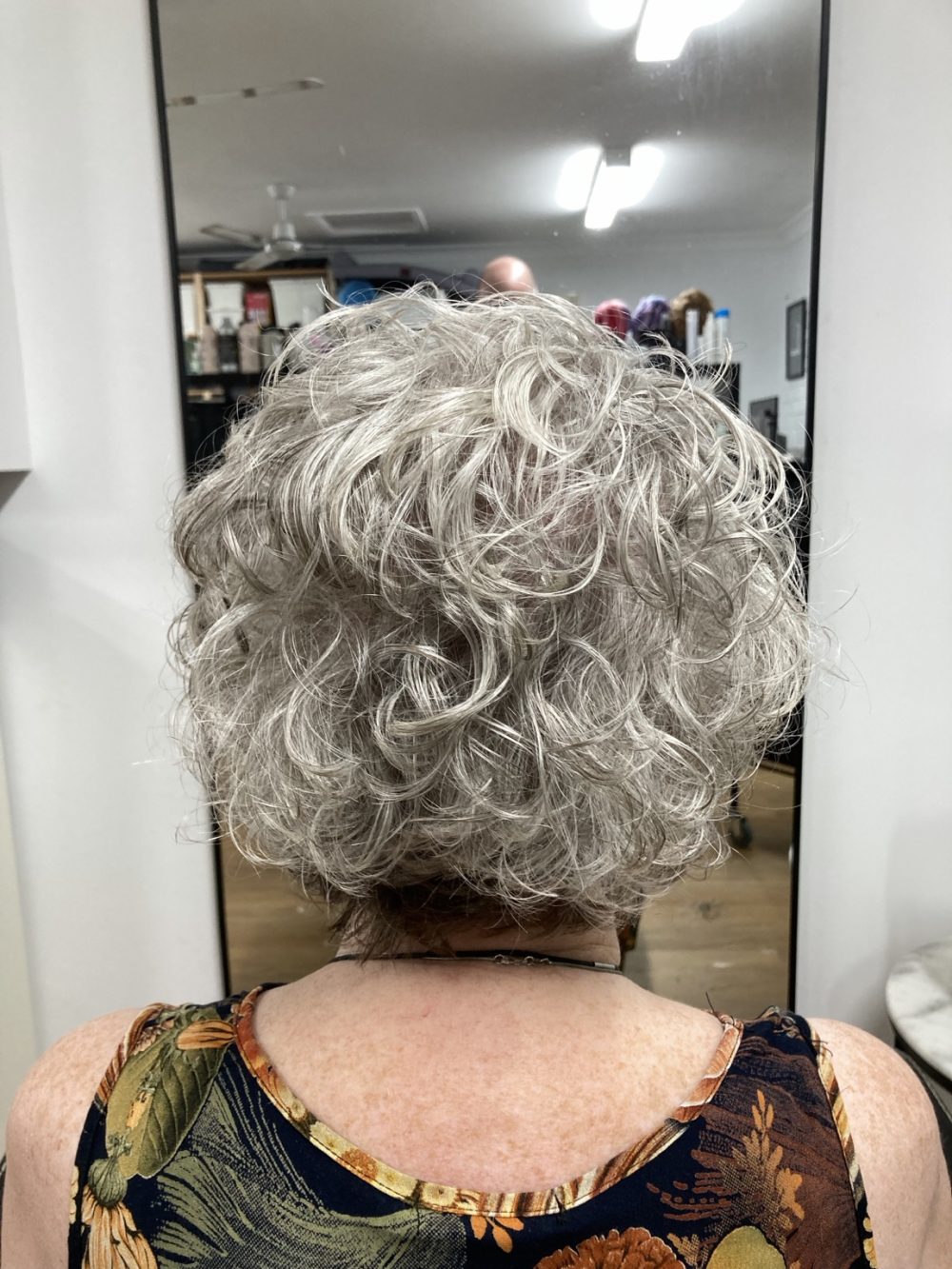
A dry curly haircut Brisbane clients can rely on starts with understanding how their curls spring, settle and move. Will my curls spring up shorter than I expect? Will the layers sit properly? Will the shape still work after I wash and style it at home?
A curly haircut can look promising in the salon and feel completely different a few days later. Sometimes the length seems to disappear. Sometimes the shape feels too wide, too flat or uneven. Often, the problem is that the cut was planned for the hair as it was held or stretched, rather than for the way it naturally falls and moves.
Why curly haircuts can go wrong
1. Shrinkage is underestimated
Curls and coils contract as they dry. The amount varies from one head of hair to another, and even from one area to another. A fringe, crown and nape may each spring differently. If the finished length is judged only while the hair is wet or stretched, the result can be shorter than expected once the natural pattern returns.
Wet cutting can be useful for some hair and some stages of a service. The important part is understanding how the curl will behave when it is dry, and allowing for that movement before removing length.
2. The cut treats curls like straight hair
Curly hair does not fall as one continuous sheet. Each curl has its own bend, spring and direction. Density and weight matter too. If every section is pulled to the same place and cut to the same line, curls can settle at different lengths and the outline may lose balance.
Layers are not automatically wrong for curly hair. Their position and amount need to suit the curl pattern, the density and the shape you want to wear. Too little structure can leave the hair heavy; too much can remove support where you need it.
3. Too much length is removed before the shape is checked
When curls spring up, a small difference in length can change the whole silhouette. Taking off a lot at once makes it harder to adjust the balance as the haircut develops. A considered curly cut builds the shape in stages, checking how the hair responds instead of assuming every section will behave the same way.
4. The finished shape feels uneven
Unevenness can show up as a side that sits fuller, a crown that lifts more than expected, or ends that feel thin while the middle looks bulky. Growth direction, natural partings, cowlicks and different curl groupings can all affect where the hair settles. A shape needs to be checked in its natural fall, not just against a fixed guide.
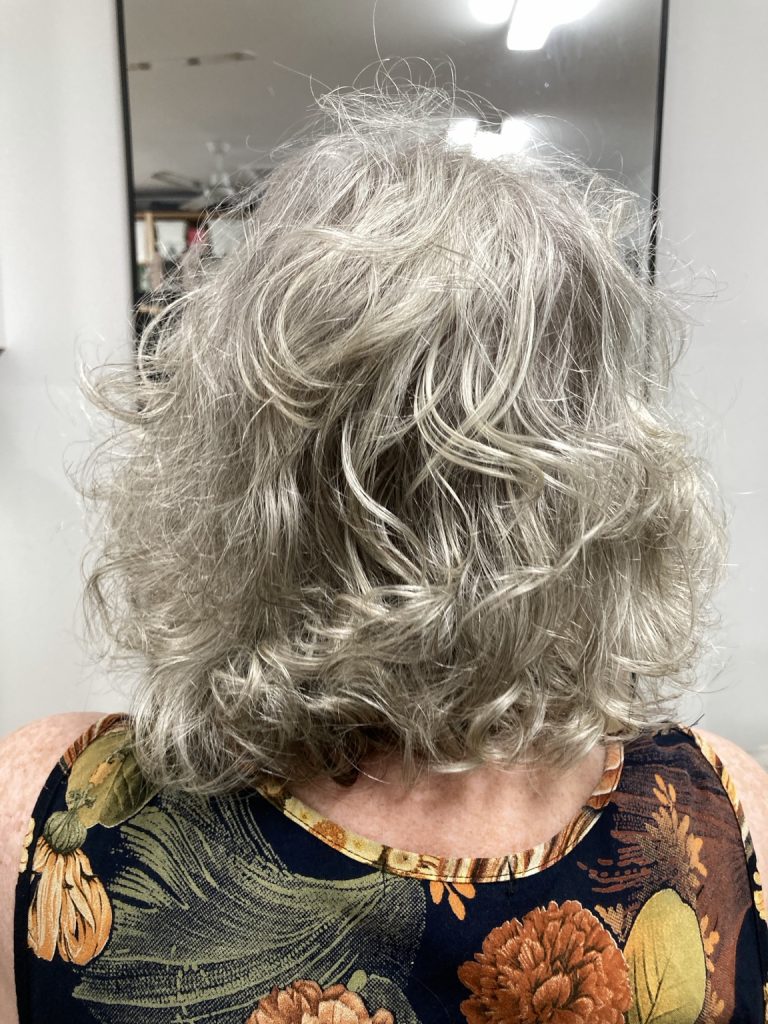
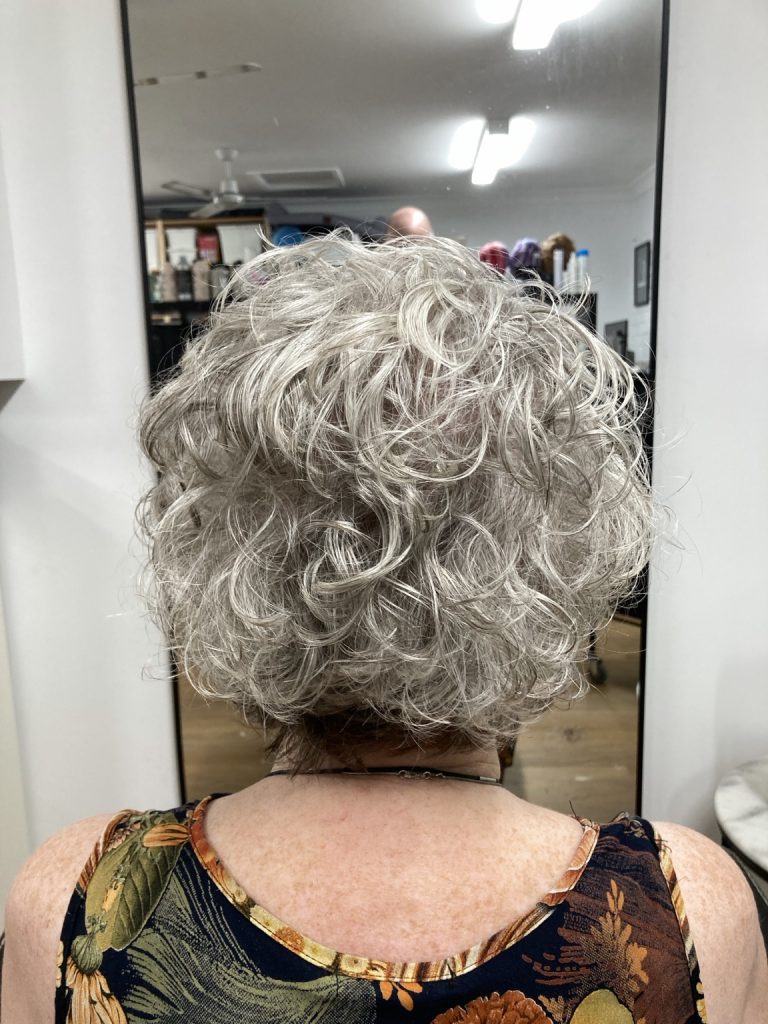
A considered approach to natural curls: respecting their movement, spring and individuality.
5. The salon finish does not match everyday life
A haircut has to work beyond the appointment. If the shape only looks right after a long styling routine, it may not suit the way you want to care for your hair. Before cutting, it helps to talk about how you usually wear your curls, how much time you have and what you want to keep: length, fullness, movement or a softer outline.
A curly haircut shaped around natural movement
The Shizen Method starts with observation. I look at how your hair falls, where it grows, how the curls form and spring, and how density and weight affect the shape. Nagare, the principle of flow, means designing with that natural movement rather than forcing every curl into a predetermined pattern.
A dry assessment can make it easier to see the curl pattern as you actually wear it. That does not mean every part of every curly haircut must be done dry. The method should suit the hair in front of us. What matters is checking the shape against its natural fall and talking through the result as we go.
If curly haircuts have left you unsure what will work, we can talk through what has been difficult and plan a shape that feels like yours. My private one-to-one atelier is in Deception Bay, serving curly-haired clients across Brisbane’s northside, including North Lakes and Redcliffe.
Enjoyed this article?