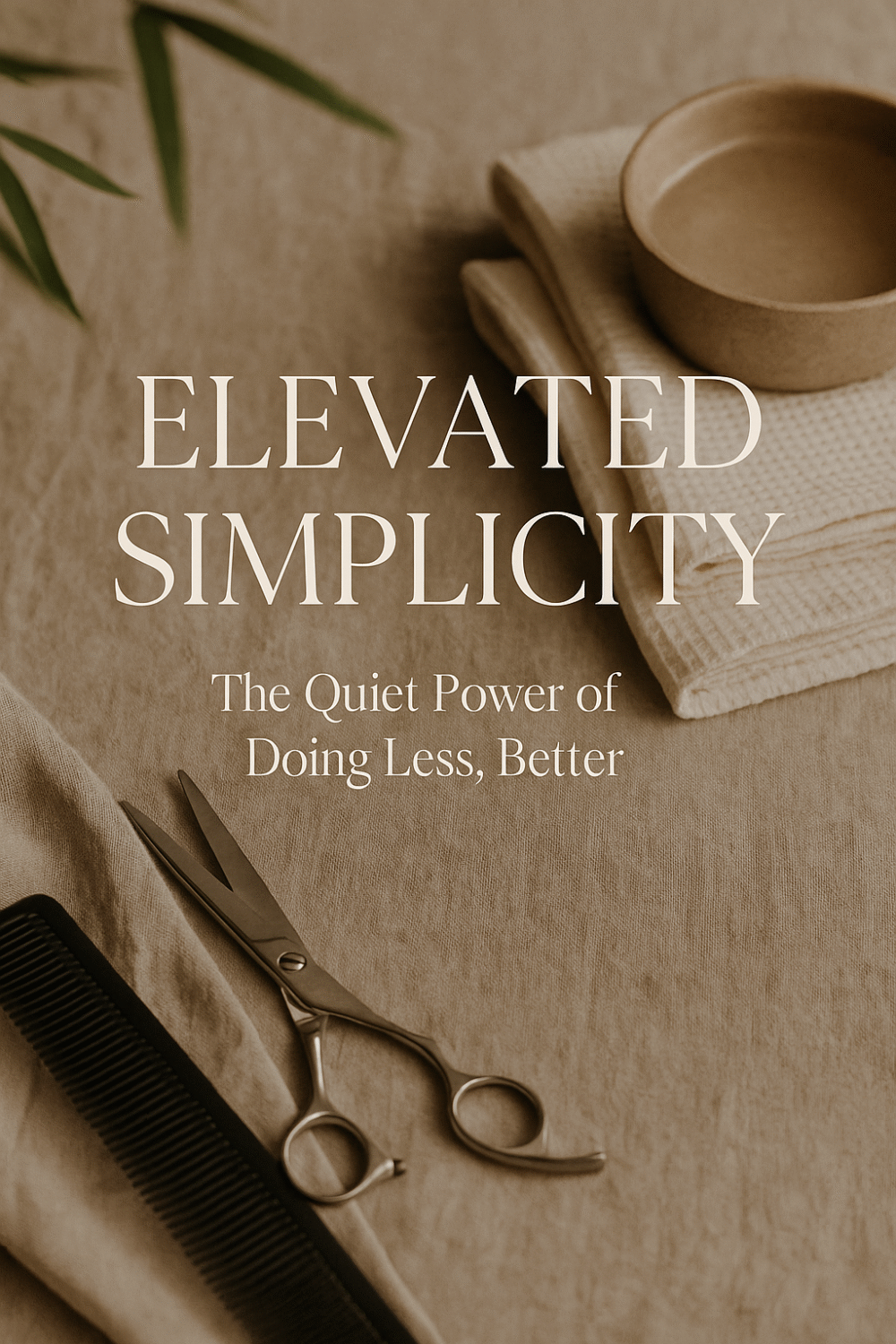
In hairdressing, adding more steps, products or techniques does not automatically improve the result. Doing less can be valuable when it follows careful assessment and a clear reason. It is not a shortcut or a rule for every client.
After more than four decades in the craft, I have found that a reliable foundation makes it easier to adapt. Hair, desired outcomes, time, previous services and a client’s maintenance preferences all influence the plan. What is simple for one person may be unsuitable for another.
Clarity before complexity
Before reaching for another technique, pause and ask:
- What change has the client asked for, and what matters most to them?
- What does the hair’s current condition, density, texture and history allow?
- Which steps are necessary to reach an appropriate result?
- What will the client need to maintain the result at home?
In colour work, that might mean choosing a smaller, purposeful placement plan rather than adding lightening simply because a trend suggests it. In cutting, it may mean selecting a shape that works with natural movement and the client’s styling habits. The right plan depends on consultation and professional judgement.
Build systems that leave room to think
A dependable consultation, clear sectioning approach, colour-recording habit and considered aftercare conversation can reduce avoidable guesswork. They should support judgement, not replace it. A method that works consistently still needs adjustment when the hair or the goal changes.
Try a short review after a service:
- What part of the plan helped the result?
- Where did I add a step that was not needed?
- What should I change or repeat next time?
That is refinement: keep what serves the work, question what does not, and practise the change deliberately. My reflections on craft and content and professional standards without perfectionism explore related ideas.
Less, better, when it is right
Simplicity is not a promise of faster appointments, greater profit or effortless mastery. Those outcomes depend on many factors, including service design, pricing, experience and the needs of the client. The useful aim is a process that is clear, safe, repeatable where appropriate and flexible when circumstances call for it.
Choose one part of your work to review this month. Notice what genuinely contributes to the result, then refine it with care. A strong foundation gives creativity somewhere reliable to begin.
Enjoyed this article?