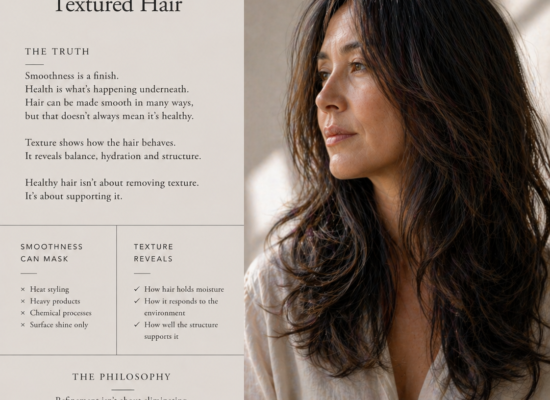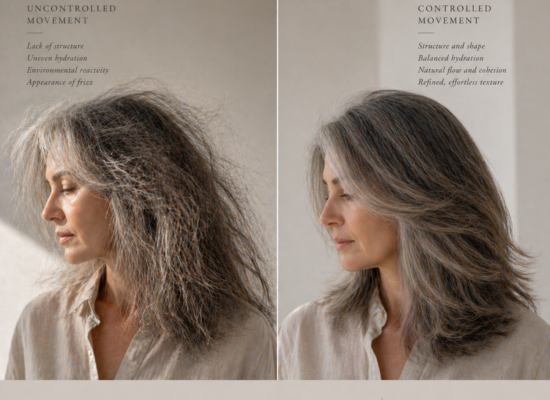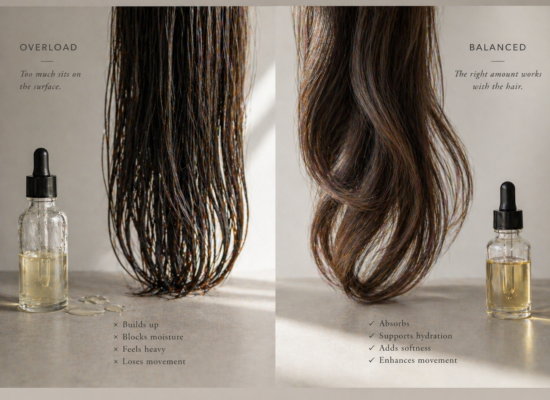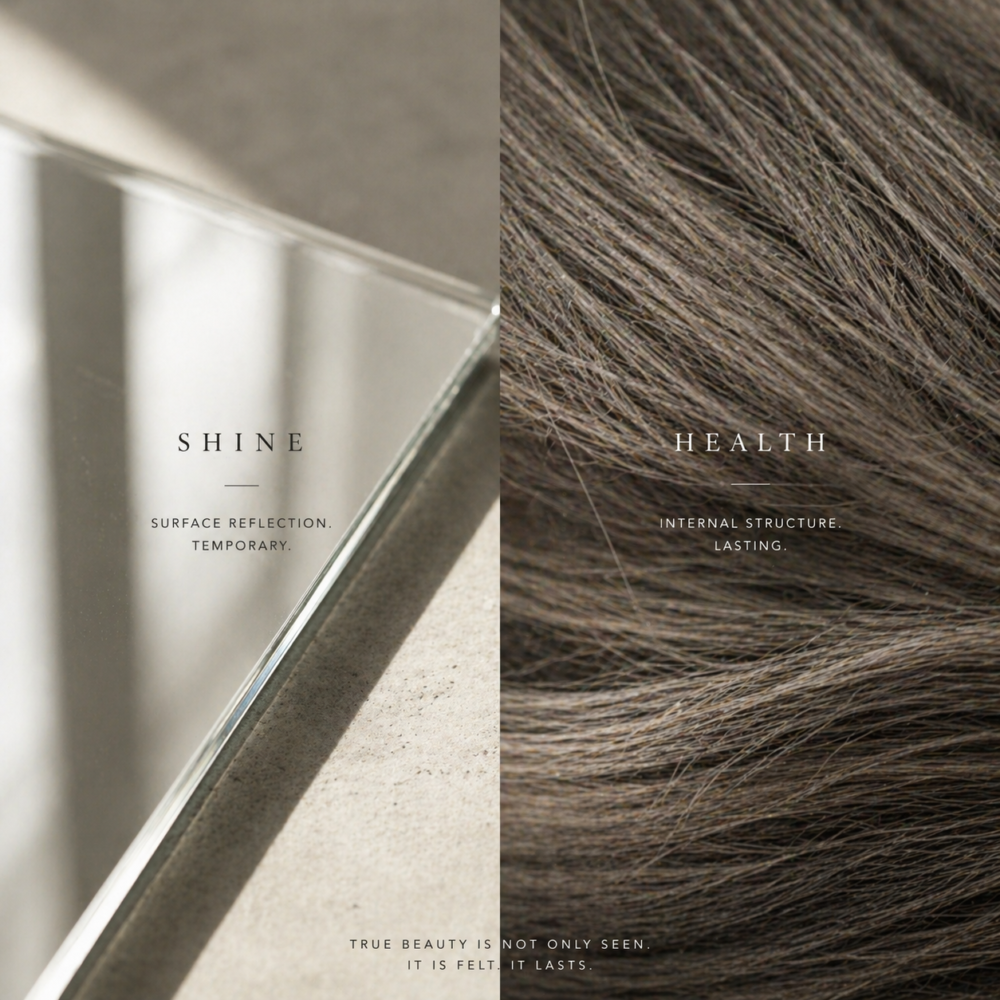
There is no simple at-home test that can certify hair as “healthy.” Shine and softness can tell you how hair looks and feels, but they do not reveal every aspect of the fibre or scalp. Hairdressers can assess visible condition and manageability; medical professionals diagnose health conditions.
What can you observe?
Notice whether the hair tangles, breaks, feels rough, holds a style or has changed from what is usual for you. These observations can help guide cosmetic care, but no single sign proves the hair is healthy or damaged. Previous colour, lightening, heat, friction and everyday handling all matter when assessing the lengths.
The scalp is a separate part of the picture. Persistent itching, soreness, redness, scaling or sudden shedding should not be diagnosed through appearance tips online. A dermatologist can assess scalp and hair concerns. The American Academy of Dermatology shares hair care guidance and recommends consulting a dermatologist for concerns that do not improve.
A practical routine for the visible lengths
- Use cleansing and conditioning products suited to your scalp and hair.
- Reduce unnecessary heat and rough handling.
- Choose styling products according to the finish and hold you want.
- Ask a stylist to consider the hair’s colour history and current condition before chemical services.
Cosmetic care can improve the feel and appearance of the hair, but it cannot reverse all damage or guarantee a particular result. If the ends are significantly worn, trimming removes that portion while careful care supports the remaining lengths.
Hair advice in Deception Bay
At Anthony Presotto Private Atelier, I can discuss cut, colour and routine based on the visible hair and your goals. For a considered haircut, explore the Shizen Method; for a colour conversation, review grey coverage and blending options. See Saturday booking details for one-to-one appointments.
Enjoyed this article?