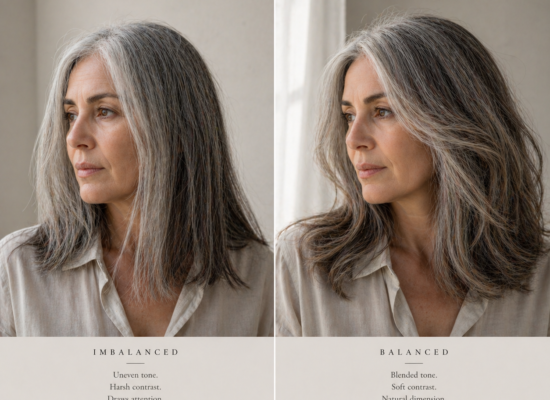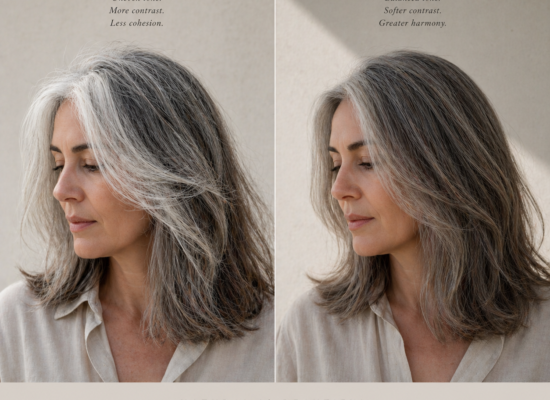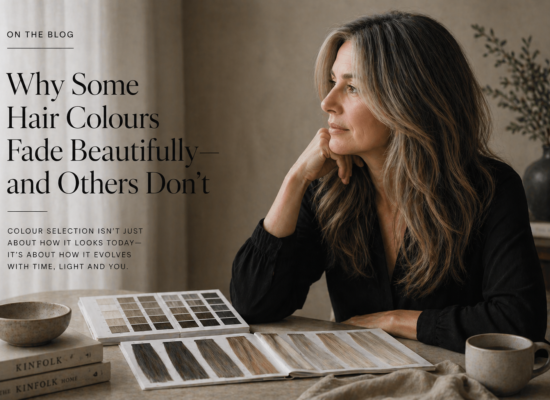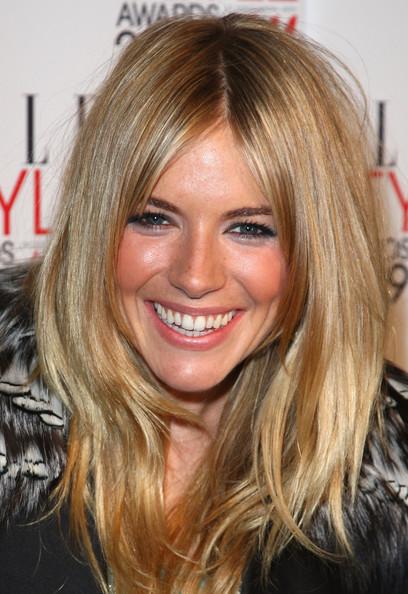
Your face shape can help start a haircut conversation, but it does not dictate a list of styles you are allowed to wear. The strongest shape considers your features alongside hair density, texture, preferred length, and the way you style it day to day.
Look at proportion, not a label
Terms such as round, square, oval, heart and long describe broad proportions. Most faces do not fit perfectly into one category. A fringe, parting, or the place a layer begins can change where the eye lands, so small design choices often matter more than naming your face shape.
Questions that lead to a better haircut
- Where do you like movement? Around the cheekbones, jaw, shoulders, or through the ends?
- How much fullness do you want? Fine hair may benefit from retaining weight; dense hair can need a carefully placed release.
- What length feels like you? There is no rule that a particular face shape requires short or long hair.
- How do you wear it? A fringe or layer that looks good after a salon blow-dry should also suit the time you have at home.
Fringes and face-framing
A fringe changes the balance around the eyes and forehead. It also brings a regular trim and daily styling decision. A soft face frame may offer movement with less commitment, especially on medium to long hair. We can discuss how it will behave with your growth pattern, natural texture, and usual parting before cutting.
Layers, weight and movement
Layers can create a lighter outline, but too much removal can leave some hair feeling thin at the ends. The choice is individual. My guide to shape, weight and movement in layered hair explains the trade-off in more detail.
At the private atelier in Deception Bay, I look at the whole picture with you. Bring examples of what you enjoy, tell me what has been difficult to style, and we can design a shape that belongs to your face and your life.
Enjoyed this article?